
What Size Runner Rug Do I Need? A Simple Measuring Guide

View and Buy More Long Ruuner Rugs>>
Let’s be honest: buying a runner rug should be exciting. You picture that long, luxurious strip of texture warming up your hallway, anchoring your kitchen, or giving your entryway a high-five. But then you get home, unroll it, and… it looks like a postage stamp in a football field. Or worse, it extends so far that your door now opens with the grace of a bulldozer.
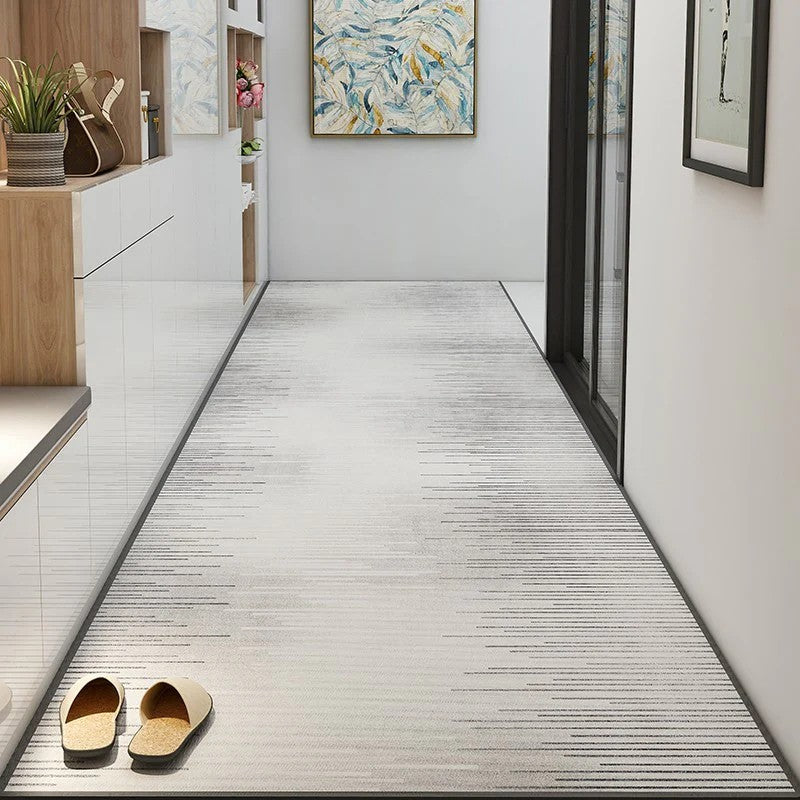
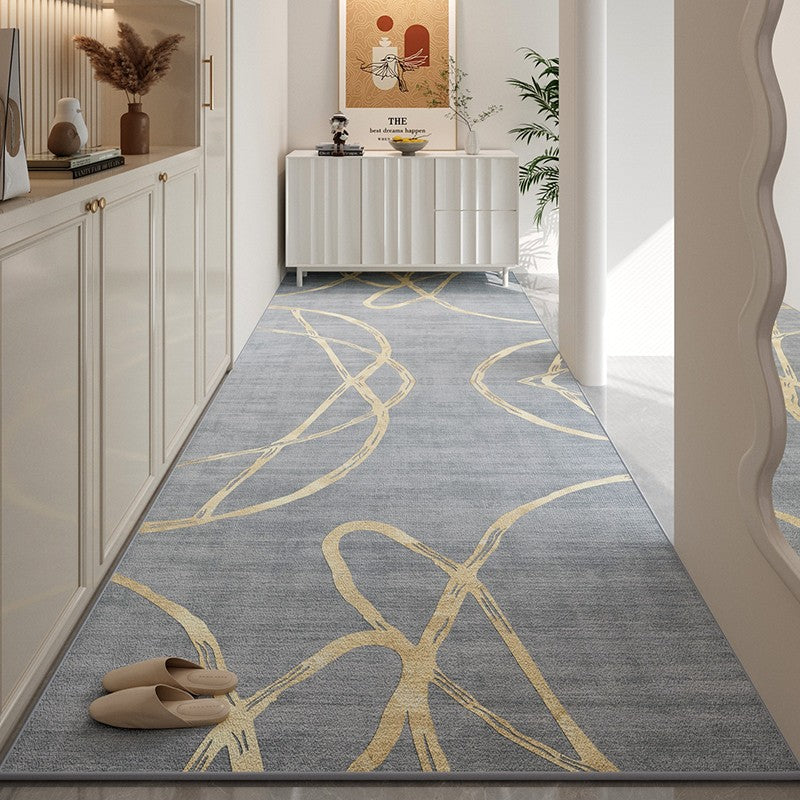
Gray Modern Long Hallway Runners, Long Narrow Runner Rugs, Non Slip Entryway Rug Ideas, Durable Indoor Carpet Mats, Soft Floor Covering For Corridor
Finding the perfect size runner rug isn’t rocket science, but it does require a tiny bit of math and a lot of common sense. Fear not, fellow rug enthusiast. Here is your humorous, no-tears-allowed guide to getting the size right.
Step 1: The "Ghost Rug" Visualization
Before you even touch a tape measure, walk your space. Imagine the rug as a floating island. In a hallway, you don’t want the rug to touch the walls—it’s a runner, not a carpeted coffin. Leave about 4 to 6 inches of floor exposed on each side. In a kitchen (in front of the sink or island), you want the rug to go where your feet go, not where the cabinets are.
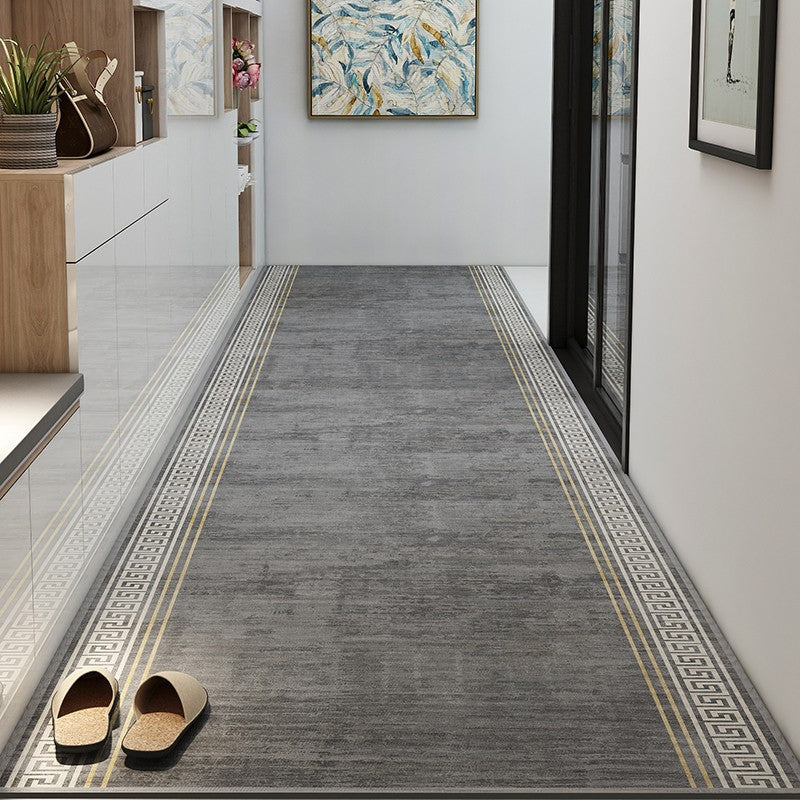
Modern Long Hallway Runners, Kitchen Runner Rugs, Non Slip Water Resistant Mats, Cushioned Anti Fatigue Flooring, Easy Clean Low Pile Carpet
Step 2: Grab the Tape
Here is where we separate the pros from the “eyeball-it-and-pray” crowd.
For a Hallway:
-
Measure the length of your hallway.
-
Subtract about 1 to 2 feet from that total length. You want the rug to stop 6-12 inches before the wall on each end. Why? So you don't trip while trying to make a dramatic entrance.
-
Pro tip: Standard runner widths are 24” to 36”. For a narrow hallway (under 4’ wide), stick to 24”. For a grand entry, go 30” or 36”.
Modern Long Hallway Runners, Kitchen Runner Rugs, Entryway Runner Rugs, Grey Runners For Entrance, Hallway Long Narrow Runner Rugs
For a Kitchen or Laundry Room:
-
Measure the length of your cabinet run or the workspace.
-
The runner should be at least 6 inches shorter than that length. You want to slide past without your socks catching the fringe.
Step 3: The Door Dance (Crucial!)
Nothing ruins a beautiful runner like a door that screeches across it every morning. Open every door in the vicinity. If the door swings over the runner area, you need a low-pile rug (think flatweave). If the door touches the top of the rug, you need a shorter runner or a thinner material. Your door is not a rug brush.
Entrance Hallway Runners, Long Narrow Hallway Runner, Non Slip Door Mat, Durable Low Pile Carpet, Modern Corridor Floor Covering
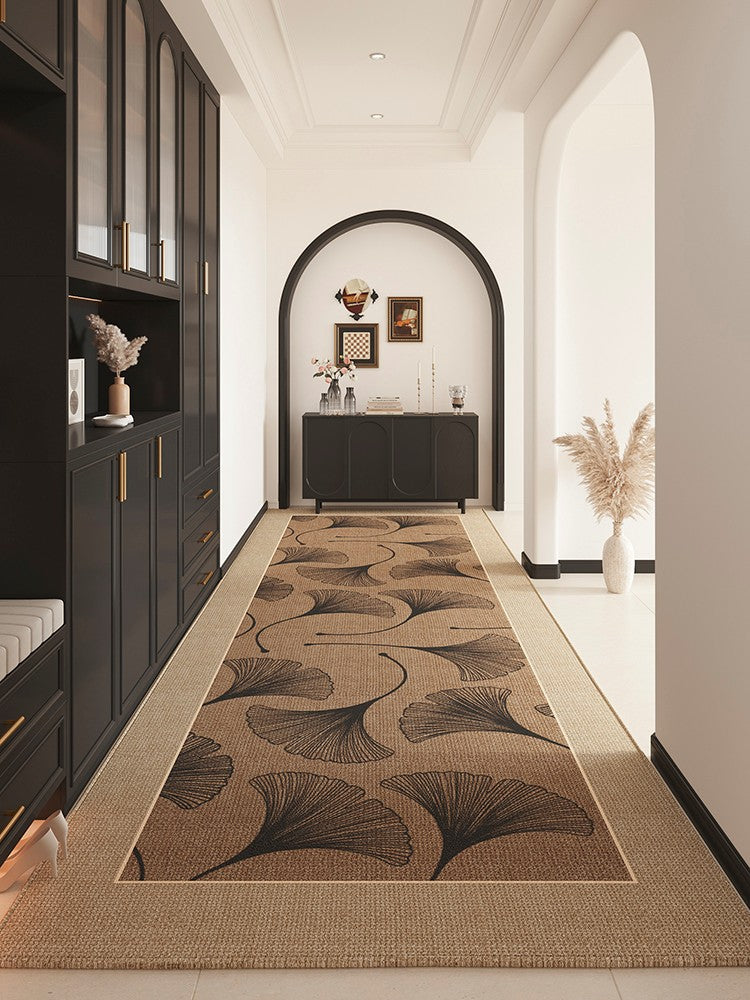
Step 4: The "Too Long, Didn't Trip" Rule
A common mistake? Buying a runner that is just slightly shorter than the hallway. This creates a weird "puddle" effect. Either commit to a full runner (within 12 inches of the ends) or use two smaller rugs. A rug that is too short looks like an afterthought. A rug that is too long looks like a carpet snake. Aim for the Goldilocks zone.
The Cheat Sheet
-
Small hallway (6-8 ft): Look for a 4’x6’ or a 2.5’x6’ runner.
-
Medium hallway (8-12 ft): 2.5’x8’ or 2.5’x10’ is your sweet spot.
-
Long hallway (12-20 ft): Either go for a 2.5’x12’ or use two matching 2.5’x6’ runners with a 2-inch gap. (It adds architectural interest, I promise.)
-
Kitchen: 2.5’x8’ or 2.5’x10’ depending on how much you enjoy sliding back and forth while cooking.
The Final Test: The Pajama Shuffle
Once you think you have the numbers, do a mental simulation. Walk the path. Would you stub a toe? Would the rug get caught in a robot vacuum? Can you still open the junk drawer? If you answered "no" to all three, you’ve found your match.
Remember: A rug that is 2 inches too short will annoy you every single day. A rug that fits perfectly will just feel right—like the universe finally decided to be kind to your floors.
Now go forth, measure twice, and order once. Your hallway is waiting for its new best friend.
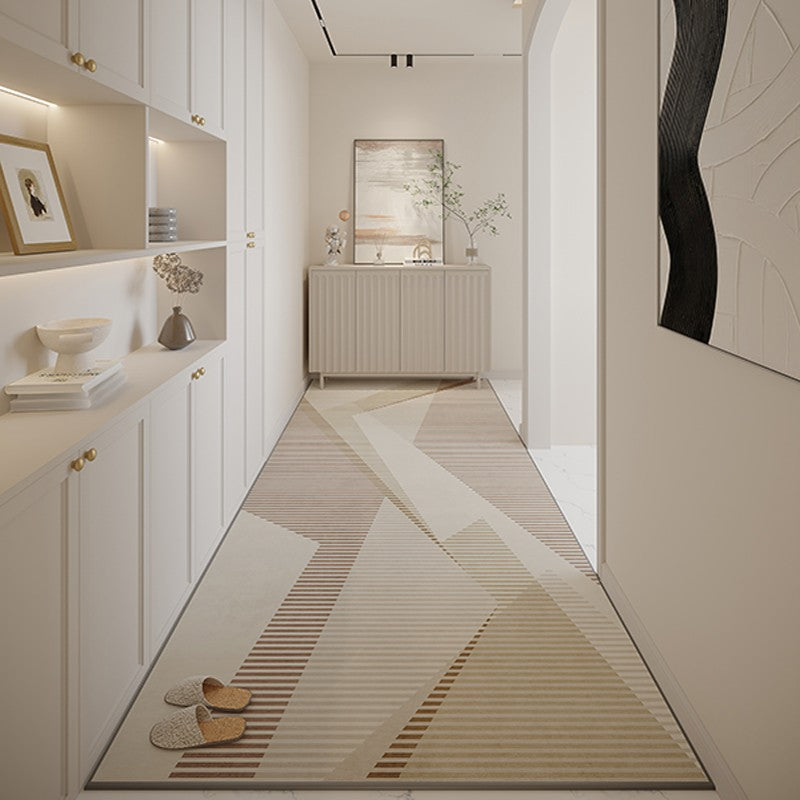
Long Hallway Runners Non Slip, Entryway Runner Rug Ideas, Geometric Modern Long Hallway Runners, Washable Indoor Carpet Mats, Soft Floor Covering For Narrow Spaces